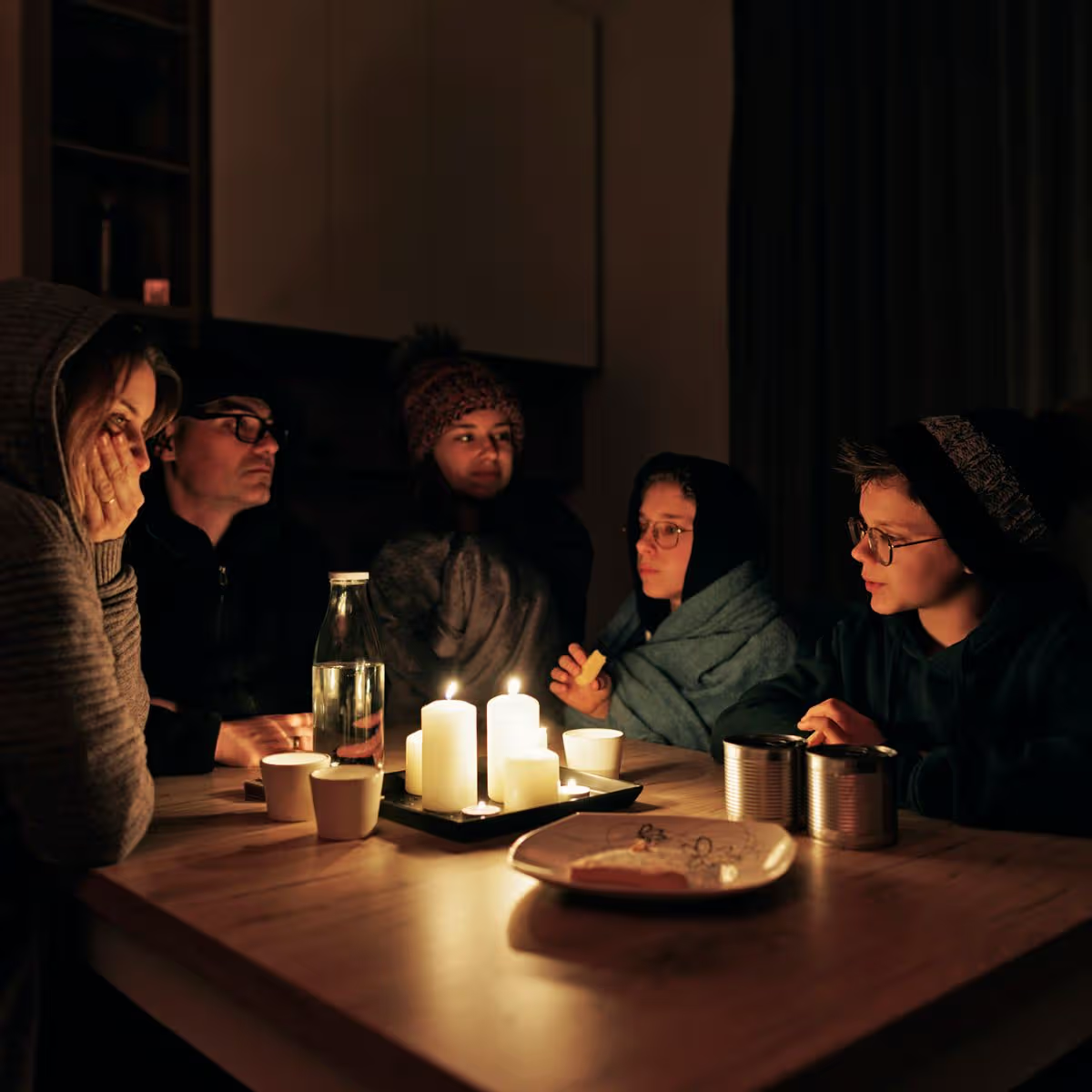
A practical guide to the UK government's Prepare campaign: emergency kit essentials, bottled water, food, torches and a household plan. Start with what you own.
The UK government Prepare campaign helps households take practical steps before emergencies such as power cuts, flooding and water supply interruptions. Its message is preparation, not panic buying: know the risks near you, make a household plan and put useful essentials somewhere accessible.
This is an independent Crisis Case guide to the official advice, checked on 1 November 2026. We are not affiliated with the government, and our products are not government-approved or endorsed. The Prepare website is designed for people in England and links to national advice for Scotland and Northern Ireland; check the advice that applies where you live.
What is the UK Prepare campaign?
Prepare is public emergency preparedness guidance developed by the Cabinet Office's Resilience Directorate with experts across government and other organisations. It covers understanding local risks, planning ahead and taking simple steps to protect your household. It is not a prediction that a particular emergency will happen.
UK emergency kit checklist: start with the basics
Light and information: keep a battery or wind-up torch, spare batteries and important phone numbers written down. A charged power bank and battery radio are useful additions when mains power or mobile services are disrupted.
Food and water: keep bottled drinking water and non-perishable food that does not need cooking. Include a manual tin opener, and choose food your household actually eats. Check any dietary needs and expiry dates. Ready-made baby formula and pet food may be needed too.
Health and personal needs: keep a first aid kit and learn basic first aid. Plan prescription and medical needs with your pharmacist or care team rather than changing treatment yourself. Include hygiene supplies and the items required by anyone with mobility or care needs.
Buy gradually and use what you already have. Keep essentials accessible and check them regularly. A kit supports your household plan; it does not replace instructions from emergency services.
How much emergency water should I store?
Prepare advises considering bottled water for essential needs. Its water-outage guidance gives 2.5–3 litres of drinking water per person per day as a minimum recommendation, while explaining there is no single standard amount for every emergency or household. Cooking, hygiene and individual medical needs require additional planning.
For example, two people planning three days at 3 litres each per day would need 18 litres for drinking alone. This is a planning example, not a government requirement to keep exactly three days of supplies. Follow your water company's advice during an outage.
Do water purification tablets replace bottled water?
No. Stored bottled drinking water is the starting point in Prepare's cited guidance. Purification tablets and filters are separate backup equipment with limits; do not assume they make any source safe. Follow product instructions and official advice about the particular water source. Chlorine tablets do not remove chemical pollutants.
Prepare says not to drink water collected in a rain butt. Collected rainwater can instead be useful for flushing toilets or watering plants. During a contamination warning, follow your water company's instructions rather than relying on a filter or tablet to override the warning.
Make a household emergency plan
Check local risks, sign up for relevant warnings and agree how your household will contact each other. Write down key numbers and keep a copy with your supplies. Check whether anyone is eligible for their utility company's Priority Services Register.
If someone depends on electricity or water for medical equipment, make an individual plan with their care team and utility provider before an outage. Follow official instructions about staying indoors or leaving; in immediate danger call 999.
Choosing emergency gear without overbuying
List the gaps in your household's supplies before shopping. Our emergency food, radios, first aid equipment and Water & Cooking range can help fill specific gaps. Specialist equipment is optional: the Prepare campaign does not require you to buy a branded kit, weapons or home fortification products.
Official guidance
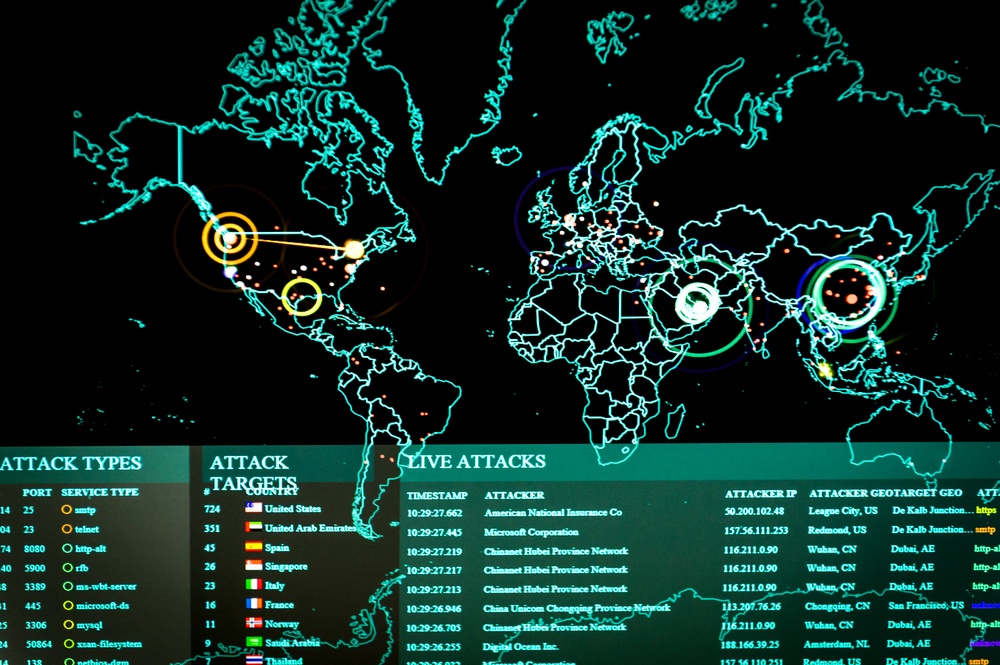
Forget Superintelligence: The AI Risk That Nearly Triggered a Military Crisis
A recent report says erroneous chatbot-assisted intelligence brought US forces close to intercepting a Chinese vessel. The immediate danger is not a machine taking control — it is people trusting convincing automated output when the stakes are life and death.